


Question: How would you shape a place where families across generations grow together, support one another, and build lasting bonds that strengthen the entire community?
Whittier’s Commitment To Generational Growth And Family Unity
Whittier’s Commitment To Generational Growth And Family Unity
In this exploration, you’ll see how a community can intentionally design systems, programs, and routines that nurture growth across generations while keeping family ties strong. You’ll discover the core ideas behind Whittier’s approach, the practical programs that sustain it, and the pathways you can take to participate. The aim is not merely to raise the next generation but to weave intergenerational solidarity into the everyday fabric of life.

A community-wide philosophy of generational growth
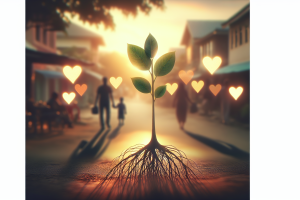
You begin with a belief: genuine progress happens when you invest in people across all ages, from newborns to elders. Generational growth isn’t about pushing one age group ahead of others; it’s about translating the strengths of each generation into opportunities for the whole community. In Whittier, you’ll find that families are seen as living ecosystems—where knowledge flows from elders, curiosity is sparked in youth, and the middle generations connect the two through everyday acts of care, mentorship, and shared responsibility.
A philosophy like this becomes a practical framework. It shapes decisions about schools, housing, health care, workplaces, cultural events, and civic engagement. You’ll notice that programs are designed to be accessible to multiple generations at once, rather than segmented by age alone. When you adopt this mindset, you begin to notice how a community can offer something meaningful at every stage of life: early childhood supports that ease family life, schools that partner with parents, workplaces that honor caregiving, and neighborhoods that welcome grandparents who mentor children after school.
Foundations: history and values
Every movement has roots, and Whittier’s commitment rests on a foundation of shared values and lived experience. You’ll find a history that emphasizes family, education, service, and neighborliness. This isn’t about flashy initiatives; it’s about sustaining simple, enduring practices—regular family meals supported by community programs, opportunities for lifelong learning, and channels for families to influence local decisions.
Key values include relational trust, interdependence, and equity. You’ll see these guiding principles reflected in how programs are designed: access is prioritized so that all families, regardless of income or background, can participate; collaboration is pursued with humility, recognizing that elders and youth both have essential knowledge to contribute; and accountability is built into partnerships so outcomes can be tracked and improved over time. The history of Whittier invites you to see yourself as part of a longer arc—where your choices today can help frame a healthier environment for future generations.
The role of families in Whittier’s growth
Families are not merely participants in Whittier’s growth; they are the engine that drives it. You’ll find that family units—whether traditional, blended, single-parent, multi-generational, or chosen-family arrangements—are prioritized in policy and practice. When families thrive, children enter school with stronger supports, parents access better employment opportunities, and the community benefits from stable households and higher civic engagement.
This approach acknowledges that family life is complex. It recognizes the time demands of work, caregiving, and education, and it seeks to reduce barriers through practical supports: affordable housing near schools and workplaces, flexible learning opportunities for parents, after-school programs that double as family enrichment time, and community spaces where families can connect across generations. In Whittier, you’ll see family unity as a shared responsibility—cities and neighborhoods coordinating with schools, faith communities, nonprofits, and local businesses to keep families connected, resilient, and hopeful.
Program pillars
Whittier organizes its intergenerational mission around several core pillars. Each pillar has a clear purpose, specific programs, and measurable outcomes. You’ll encounter these pillars in schools, community centers, faith venues, libraries, and public housing sites. Together they form a comprehensive map for generational growth and family unity.
- Education and lifelong learning
- Economic opportunity and financial resilience
- Health and well-being across generations
- Housing stability and neighborhood design
- Culture, storytelling, and sense of belonging
- Civic participation and shared governance
Under each pillar, you’ll find programs that invite participation from multiple generations at once and create structures that reinforce family bonds. The design emphasizes accessibility, mentorship, and practical supports that you can actually use in your daily life.
Table: Core Pillars, Focus Areas, Examples, and Desired Outcomes
| Pillar | Focus Areas | Examples of Programs or Practices | Desired Outcomes |
|---|---|---|---|
| Education and lifelong learning | Early literacy, K-12 success, adult education, digital skills | Family literacy hours, tutoring cooperatives, night classes for adults, coding clubs for teens, parent-teacher mentoring | Higher graduation rates, improved literacy, expanded skill sets across generations, increased parental engagement in schooling |
| Economic opportunity and financial resilience | Workforce training, entrepreneurship, savings, housing affordability | Job-skills workshops, microgrants for family businesses, matched savings programs, financial coaching, small-business mentorship | Steady income growth, stronger family economies, more local entrepreneurship, reduced financial stress |
| Health and well-being across generations | Preventive care, mental health, nutrition, physical activity | Community health fairs, intergenerational exercise groups, caregiver support circles, nutrition education for families | Improved health indicators, reduced stress, better access to care, healthier lifestyle choices |
| Housing stability and neighborhood design | Affordable housing, safe streets, multi-use community spaces | Co-housing pilots, family-friendly zoning, safe routes to schools, accessible public spaces | Stable households, inclusive neighborhoods, better access to amenities, reduced displacement risk |
| Culture, storytelling, and sense of belonging | History, arts, rituals, shared memory | Community storytelling nights, youth culture projects, elder oral history programs, intergenerational performances | Stronger cultural continuity, pride in local heritage, wider participation in arts and culture |
| Civic participation and shared governance | Community voice, youth leadership, elder mentorship | Family advisory councils, youth parliaments, elder-to-youth mentorship, participatory budgeting | Broader engagement, diverse leadership, accountable decision-making, inclusive policy development |
Intergenerational initiatives
This pillar emphasizes interactions that weave generations together in meaningful ways. You’ll notice programs designed to create everyday contact, not just once-a-year events. Intergenerational initiatives include shared after-school programs where older volunteers tutor younger students, family volunteer days at local parks, and mentorship circles that pair high school students with seniors who have decades of life experience.
The aim is to normalize intergenerational collaboration so that it feels natural and optional, rather than exceptional. When you participate, you’ll find yourself learning from someone older about patience and resilience, while you also impart fresh perspectives on technology, social media, or new cultural movements. The reciprocal exchange strengthens relationships and creates a common reference point that transcends age.
Family unity in practice: neighborhood networks, rituals, events
In Whittier, family unity is reinforced through regular routines that communities can rely on. You’ll find neighborhood networks that coordinate shared meals, childcare swaps, parents’ nights out, and neighborhood safety checks. Rituals such as seasonal festivals, intergenerational storytelling evenings, and community service days become anchors for family life.
Events are designed to engage multiple generations at once, such as school-wide harvest festivals that feature performances by elders and cross-generational volunteer teams, or library programs where grandparents read to toddlers and teens contribute tech help. These practices create a rhythm to life where families anticipate and look forward to common experiences, thereby strengthening emotional bonds and trust within the community.
Education pathways and lifelong learning
You’ll observe a continuum from early childhood education through adult learning that supports every stage of life. Programs are designed to be flexible, culturally relevant, and accessible to families dealing with work schedules, transportation barriers, or language differences. For instance, preschool readiness programs partner with parents to create home-learning routines; middle and high schools offer apprenticeship options aligned with local industries; and adult education centers provide language courses, GED preparation, and digital literacy.
More than just coursework, these pathways emphasize practical outcomes: you gain certifications that open doors to employment, you build financial literacy that supports family budgeting, and you acquire skills that let you participate more fully in local governance and civic life.
Economic resilience and family economies
A thriving local economy supports generational growth by reducing financial stress and expanding opportunities for your family. Whittier prioritizes initiatives that help families build assets, create sustainable income, and manage resources effectively. You’ll see programs that help families start small ventures, access microcredit, and learn business fundamentals. Community centers may host coworking spaces or storefront incubators where families collaborate to launch home-based businesses or community-oriented services.
The goal is to create a multiplier effect: when one family strengthens its economic position, it can reinvest in its children’s education, support extended relatives, and contribute to neighborhood stability. This creates a virtuous circle where economic security and family unity reinforce each other.
Cultural preservation and storytelling
Culture is the living memory of a community, and Whittier treats storytelling and cultural preservation as essential to generational growth. You’ll find archives of local histories, oral-history projects, and intergenerational arts programs that pass down songs, dances, crafts, and recipes. Stories from elders become a resource for younger generations, linking personal identity to shared community narratives.
Festivals and cultural events celebrate diversity while highlighting common threads—values like generosity, resilience, and care for one another. In these settings, families see themselves as stewards of a wider legacy, responsible not only for their own well-being but for the cultural wealth that will shape future generations.
Partnerships and collaboration
No single organization can sustain generational growth alone. Whittier’s approach requires partnerships among families, schools, faith communities, non-profits, health systems, and local government. You’ll see formal agreements and ongoing collaboration that align resources with needs, reduce duplication, and create unified strategies. Collaboration also means listening—to families, to youth, to elders—so the programs you rely on reflect lived experiences and evolving realities.
Within these partnerships, you’ll often find advisory councils that include representatives from multiple generations. These bodies help ensure that decisions consider the impacts on children, parents, grandparents, and caregivers, creating a governance culture that feels inclusive and responsive.
Impact metrics and measurement
To sustain momentum, Whittier maintains a clear set of indicators that show progress across generations. You’ll encounter dashboards that track educational attainment, health outcomes, housing stability, and economic resilience, all disaggregated by age groups to understand how programs affect different generations. The emphasis is on learning, adaptation, and accountability—knowing what works, acknowledging where gaps remain, and adjusting strategies accordingly.
Expected indicators include improved school readiness, higher high school graduation rates, increased participation in adult education, reductions in the number of families experiencing housing insecurity, and more stable household incomes. Beyond numbers, you also gather qualitative feedback from families about their sense of belonging, trust in local institutions, and satisfaction with available supports.
Table: Key Impact Indicators by Generation
| Indicator | What It Measures | Why It Matters for Generations | How You Might See It |
|---|---|---|---|
| School readiness and early literacy | Readiness skills in preschool and kindergarten | Sets a foundation for lifelong learning across generations | More children entering school prepared; parents engaged in literacy activities at home |
| Educational attainment | Graduation rates, college enrollment, vocational training completion | Reflects opportunities for future generations and economic mobility | Higher graduation rates; families celebrating milestones together |
| Health and well-being | Access to preventive care, mental health support, physical activity | Supports steady family life and reduces caregiving burdens | More families using preventive services; elders maintain independence longer |
| Housing stability | Rate of stable housing, incidence of displacement | Reduces stress and secures family foundations | Fewer moves for families; children’ schooling less disrupted |
| Economic security | Income growth, savings rates, debt reduction | Enables long-term planning for families and intergenerational investments | Families start saving for college, home purchases, or business ventures |
| Civic engagement | Participation in local decision-making, volunteerism | Elevates family voices in governance and builds trust | More families contributing to community decisions; youth leadership grows |
Challenges and responses
Every large-scale, long-term effort faces obstacles. You’ll encounter challenges related to funding cycles, changing demographics, and shifting economic landscapes. Whittier’s response is not to avoid these tensions but to design resilient systems that adapt without losing core values.
- Funding and sustainability: Programs are designed to diversify funding sources, combining public funds, private philanthropy, and community-driven fundraising. This multi-stream approach reduces the risk that a single source becomes a bottleneck.
- Access and equity: Barriers like transportation, language, and work schedules are addressed through flexible hours, multilingual staffing, and location-neutral programming (delivered in community hubs, libraries, and schools).
- Aging demographics and caregiving: As the population ages, Whittier expands caregiver support, respite services, and age-friendly infrastructure so that families can sustain care roles without burnout.
- Measuring outcomes: You’ll see a culture of learning where data informs course corrections. Regular reviews with community input ensure programs reflect lived experience and evolving needs.
Case studies and examples
To illustrate how these ideas come alive, consider two representative scenarios that show practical impact:
- Case A: A multi-generational family enrolls in a combined literacy and job-skills program. The grandmother uses a library-based course to refresh basic digital literacy, while the son completes a vocational training track in a local manufacturing program. The family benefits from shared transportation arrangements and coordinated schedules, enabling both to attend sessions and apply new skills at home and work.
- Case B: A neighborhood hosts an intergenerational service day. Elders lead a storytelling circle about local history, while youths photograph and document the stories for a community archive. In the process, the youth gain media literacy and appreciation for local heritage, and elders feel valued as living sources of knowledge. The event strengthens neighborhood bonds and creates a resource that reinforces collective memory.
Future visions: sustaining growth
The trajectory of Whittier’s approach rests on continuous renewal. You should expect ongoing efforts to expand access, deepen intergenerational collaboration, and embed these principles into city planning and policy. The goal is not a static program list but a living system that evolves with technology, demographics, and cultural shifts.
Key elements of the future vision include:
- Scaling successful pilots: Programs that demonstrate measurable benefits will be expanded to additional neighborhoods and schools, with adaptations for local needs.
- Integrating health and education data: A privacy-respecting data infrastructure could link health and education outcomes to better coordinate supports for families.
- Strengthening intergenerational governance: You’ll see more formal roles for youth and elders in advisory councils, ensuring that decision-making reflects a broad range of lived experiences.
- Expanding cultural ecosystems: Cultural networks will grow to preserve local traditions while fostering new cultural expressions that connect generations in contemporary ways.
- Building affordable, family-friendly environments: Housing and transit strategies will be aligned with family life, reducing burdens and enabling longer commitments to neighborhoods and schools.
How you can participate
Your involvement is essential to keep generational growth and family unity thriving. Here are practical ways you can engage today and over the coming years:
- Volunteer across generations: Mentor a student after school, assist with reading circles for toddlers, or share professional skills with adults seeking retraining.
- Participate in local governance: Attend public forums, join a family advisory council, or contribute ideas to participatory budgeting processes that affect education, housing, and health services.
- Support intergenerational events: Attend or help organize storytelling nights, cultural celebrations, or service days that bring families together.
- Utilize and advocate for accessible programs: Take advantage of adult education offerings, health screenings, and family support services, and encourage others to participate.
- Invest in family-centered businesses and community ventures: If you run a local business, explore models that support employees with caregiving responsibilities, provide family-friendly benefits, or partner with schools on internship programs.
Practical tips for daily life
- Create a family time routine: Even a modest daily or weekly routine can become a pillar of stability for children and elders alike.
- Build shared learning moments at home: Leverage library resources, community classes, or online courses to learn together as a family.
- Seek multi-generational social networks: Join or form groups that welcome families across ages—these networks can provide practical support during busy seasons.
- Leverage community spaces: Use libraries, parks, community centers, and faith-based facilities as inclusive spaces where families can connect, learn, and grow together.
- Document and reflect: Keep a simple family journal or photo log of intergenerational activities to celebrate progress and identify opportunities for new connections.
A closer look at Whittier’s governance and policy alignment
For this approach to endure, local policy has to reinforce the intergenerational framework. You’ll see alignment across departments—education, housing, health, and social services—so that programs complement each other rather than compete for limited resources. This requires:
- Shared data and accountability: Transparent reporting about program outcomes, with cross-departmental data sharing where appropriate and consent-based privacy protections.
- Coordinated funding cycles: Long-term planning that matches the life cycles of families with the life cycles of programs—early investments in early childhood, sustained support for families with school-age children, ongoing resources for seniors and caregivers.
- Community voice in policy: Regular opportunities for families to contribute to policy discussions, ensuring that decisions reflect real-world experiences across generations.
- Inclusive infrastructure: Physical spaces and digital platforms designed to be accessible to all ages and abilities, supporting safe and comfortable intergenerational interaction.
The human dimension: stories of connection
While metrics and programs are essential, the heart of Whittier’s commitment lies in personal stories of connection. You’ll hear elders talk about the satisfaction of guiding a younger neighbor through a daunting problem; you’ll hear parents describe the relief of knowing there are safe, reliable supports for their children after school; you’ll hear youth describe the pride of contributing to a project that helps a grandparent access a vital service.
These stories create momentum. They remind you why the work matters and how your involvement contributes to a broader legacy. When you read or hear these narratives, you’re invited to see your own family’s path as part of a larger tapestry—one where each thread strengthens the whole.
Challenges and opportunities for your participation
As with any large-scale effort, opportunities come paired with challenges. You have the chance to help transform potential obstacles into pathways for growth. Consider the following:
- If transportation is a barrier, you can propose or support shuttle programs or community-based carpools that connect families to schools, workplaces, and services.
- If language or cultural differences create gaps, you can contribute by learning a second language common in your community or volunteering as a bilingual mentor for families navigating systems.
- If time constraints hinder participation, you can advocate for flexible schedules, asynchronous learning resources, and on-demand services that respect caregivers’ and workers’ routines.
Your role can be as simple or as expansive as you wish: a neighbor offering to host a study group, a parent volunteering in a school program, a senior sharing life wisdom, or a local business providing internships or micro-grants. The collective impact of many individual commitments is what sustains generational growth and family unity over time.
Measuring success: what success looks like in Whittier
To determine how well the city is delivering on its promises, you measure both inputs and outcomes. You look at the resources you deploy—the people, the spaces, and the money—alongside the changes you observe in families and neighborhoods. Success is not a single metric but an integrated picture of improvements across several dimensions.
Think of success as a multi-layered tapestry:
- A tapestry of learning: more families engaging in learning activities, stronger literacy rates, and expanded access to higher education.
- A tapestry of stability: more stable housing, reduced housing insecurity, and families reporting a sense of security and predictability.
- A tapestry of health: improved preventive care access, better mental health support, and healthier family routines.
- A tapestry of economic vitality: stronger family economies, more opportunities for youth employment, and increased entrepreneurship within the community.
- A tapestry of belonging: greater intergenerational trust, more inclusive participation in civic life, and a shared sense of identity and pride in Whittier’s heritage.
Conclusion: your place in Whittier’s future
You are a crucial part of Whittier’s ongoing story. The journey toward generational growth and family unity isn’t a distant plan; it’s a daily practice that thrives when you participate, contribute your strengths, and invite others to share in the effort. By embracing the pillars of education, income stability, health, housing, culture, and governance, you help create a community where every generation has the opportunity to flourish.
As you consider your own role, reflect on how your actions, big or small, can ripple through families and neighborhoods. Your involvement can help sustain the momentum Whittier has built and extend its generational growth into decades to come. The aim is not a momentary achievement but a durable foundation—an invitation to you and yours to grow together, year after year, in a community that honors the dignity, potential, and unity of every family.
If you’d like to take the next step, start with a simple action: identify one intergenerational program that aligns with your schedule and interests, reach out to the organizer, and offer to participate. From there, you may discover new purposes, new relationships, and a renewed sense of belonging. Your family’s future is linked to the shared future of Whittier—and together, you can help write the next chapter of generational growth and family unity.
Your Help is Needed:
Every product we sell on this website directly supports The Unity Oneness Project, empowering single women with children to build independent, self-sustaining lives.
Here are our products: https://unityonenessproject.com/shop
We focus on breaking cycles of dependency and creating supportive communities designed by women, for women with dignity and empowerment, compassion and purpose. If you prefer to just donate go here and no amount is too small:
https://unityonenessproject.com/donate-to-unity-oneness-project